Unraveling an Oil Deal—from Guyana’s Offshore Blocks to a Home in Ontario’s Cottage Country
By Levon William Enns-Kutcy, Josette Lafleur, and Angeline Gisonni
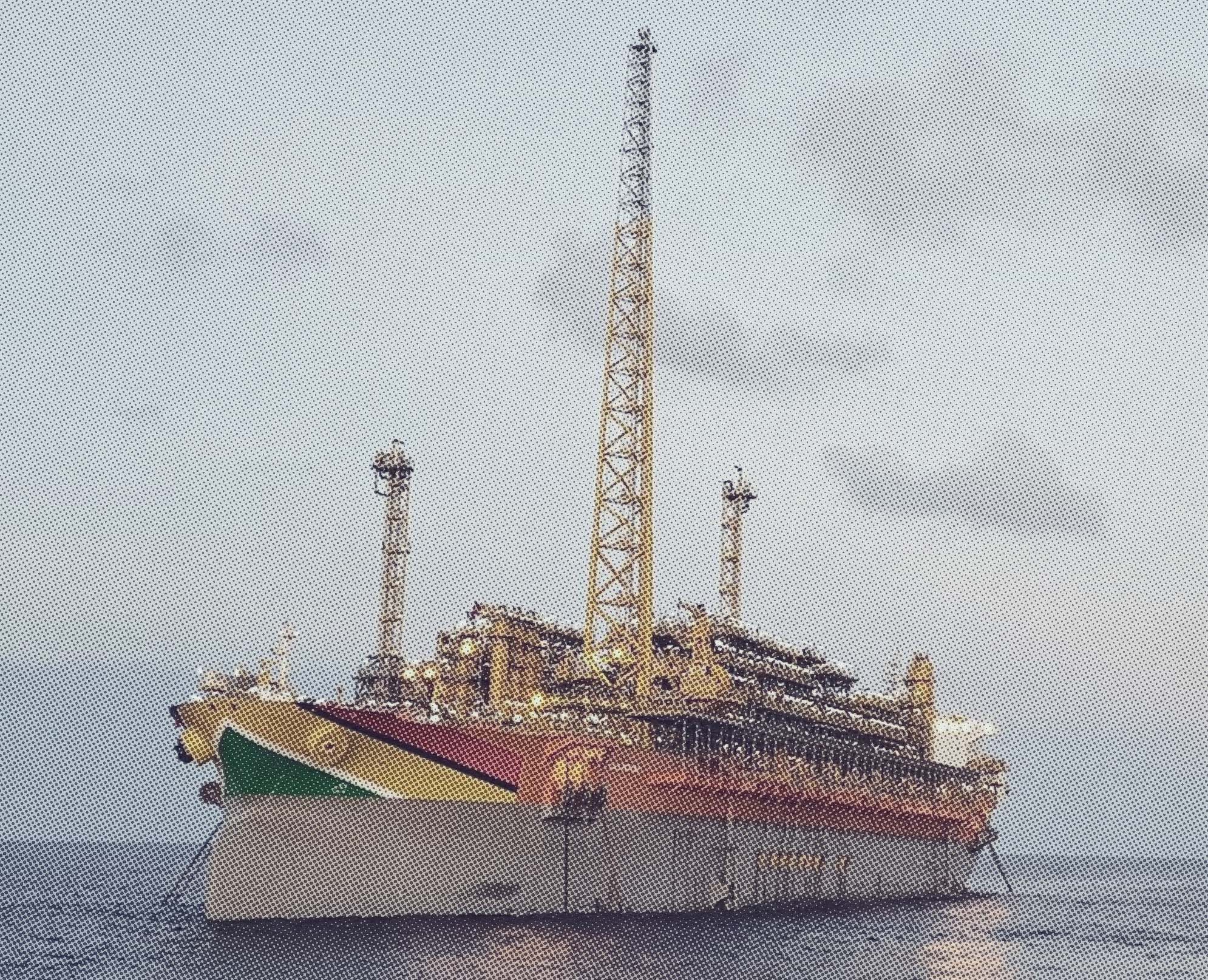
Investigative breakthroughs, like oil strikes, often begin where no one else has thought to dig. Fitting, then, that Arsenault — who has spent more than a decade covering the energy beat — found the hook for his RTDNA Award-winning investigation, Crude Bargain, buried in the pages of an NGO report. A footnote mentioned the sale of the Canje oil concession to a small, newly registered Canadian company.
Why did a firm with no drilling experience receive a massive stake in one of the world’s hottest offshore oil blocks — just days before a president’s political exit? And what could be uncovered by questioning transparency, governance, and how resource-rich countries negotiate away national assets, often without public scrutiny?
Sitting down with co-host Josette Lafleur, Arsenault recounts the full-circle investigation that led him to uncover how Mid-Atlantic Oil and Gas, along with its Canadian partner JHI Associates, acquired nearly 20 per cent of Guyana’s Canje concession just a week before then-president Donald Ramotar’s electoral defeat.
A flagged footnote, validated by a preliminary interview with a former advisor-turned-whistleblower, convinced Arsenault the story was worth a plane ticket.
On the ground, his hustle, impromptu networking and a bit of luck landed him sit-downs with Ramotar and Mid-Atlantic CEO Edris Kamal Dookie. But it was a stop at Guyana’s corporate registry office that brought the investigation back home — uncovering a paper trail linking JHI Associates’ corporate address not to Bay Street, but to a residential home in Barrie, Ont.
From making inroads with local reporters to thumbing through registry files in a sweltering government office, Arsenault describes the steps — and the investigative approach — behind his award-winning feature.
Josette Lafleur: What tipped you off to this story about Guyana’s oil rush?
Chris Arsenault: Just as most journalists do, I was reading about things that interested me. Guyana had nothing — then suddenly, this major offshore discovery. When I came across a snippet about JHI Associates securing the Canje concession, something felt off.
That was eight months before I even got to Guyana. I started making calls to energy analysts, environmental groups. One former senior government advisor turned whistleblower was the only person who could really speak to that concession.
That interview made me realize there was definitely a story. But when I called him for a follow-up, he said he didn’t want to talk — and that I couldn’t use anything from our first conversation. So I had to re-jig the whole narrative.
Josette Lafleur: Take me through the process of continuing the investigation after that tip fell through.
Chris Arsenault: At the heart of the story are two companies: JHI, the Canadians, and Mid Atlantic Oil and Gas, their Guyanese partners. The tip had suggested there was something off about the deal — insider operations or self-dealing. To nail it down, I needed two things: firsthand accounts from people in the room when the deal was signed, and documents.
The corporate registry in Guyana isn’t digitized. You need to go in person and physically pull the records. That’s what made this reporting stand out. At the registry, I pulled everything I could on JHI, Mid Atlantic and the Canje deal. That’s when I discovered JHI was registered to a home in Barrie, Ont. It was a newly formed company, not a Bay Street player.
Nobody knew this — not even the president who signed off on the deal.
Those two pillars — primary interviews and primary documents — are what I love in investigative reporting. Cross-referencing them lets you build a cohesive narrative around who did what, and when.
Josette Lafleur: Take me back to the day you found yourself inside the former president of Guyana’s SUV.
Chris Arsenault: No one in Guyana really responds to interview requests through official channels. I’d been trying to get an interview with Donald Ramotar for ages. We were playing phone tag over WhatsApp. I was waiting at my hotel when a big black SUV rolled up. The window came down, and I hopped in.
Josette Lafleur: You didn’t have any interviews lined up before arriving?
Chris Arsenault: Very few. Things didn’t really open up until I connected with the local press corps. A few reporters shared contacts over WhatsApp. They were generous and professional — willing to help out a Canadian journalist. That’s when everything started to come together.
Josette Lafleur: What were some of the challenges you ran into during the investigation?
Chris Arsenault: There were a lot of times I was just sitting in cafés waiting for people who never showed. Some interviews were scheduled and people didn’t turn up.
But one break did go my way. I’d been trying to get Idris Kamal Dookie, the CEO of Mid Atlantic, but he wasn’t responding. After Ramotar picked me up, we ended up at a five-star hotel. And by sheer coincidence, Dookie was there. Ramotar called him over. They started joking like old pals. Then Dookie just started talking, off the cuff, for this interview.
That moment drove home the “buddy-buddy” nature of the president who signed off on the deal and the executive who benefited from it. Even though his company didn’t have drilling capacity, here they were — laughing it up. It reeked of insider operations.
Josette Lafleur: How did you go about sorting through all the material — audio, documents, interviews?
Chris Arsenault: Once I was back in Canada, the first thing I did was carefully go through every document. I worked from three data sets: a public timeline from previous reporting, the original registry documents showing when the companies were incorporated and when they got the Canje concession, and my interviews, both official and informal. Those were the three pillars I used for this story.
Josette Lafleue: What advice would you give to a young journalist taking on an international investigation?
Chris Arsenault: You need both the macro and the micro. Just saying “country X is having an oil boom and there might be corruption” doesn’t bring it to life. You need to show who did what, when.
Merging primary records with interviews adds credibility. And those records don’t have to be corporate registries — they could be Access to Information documents, stock filings, or lobbying records.
It’s ideal when you can get the people who were in the room and the documents. That’s how you build investigations that hold.